Bet Nahrin: Healing Strategies for Diverse Backgrounds
- mandyellaedwards
- Feb 13
- 4 min read

In a world where diversity is celebrated, the need for inclusive healing strategies has never been more critical. Bet Nahrin, a concept rooted in ancient traditions, offers a unique approach to healing that respects and integrates various cultural backgrounds. This blog post explores the healing strategies of Bet Nahrin, emphasizing their relevance in today’s multicultural society.
Understanding Bet Nahrin
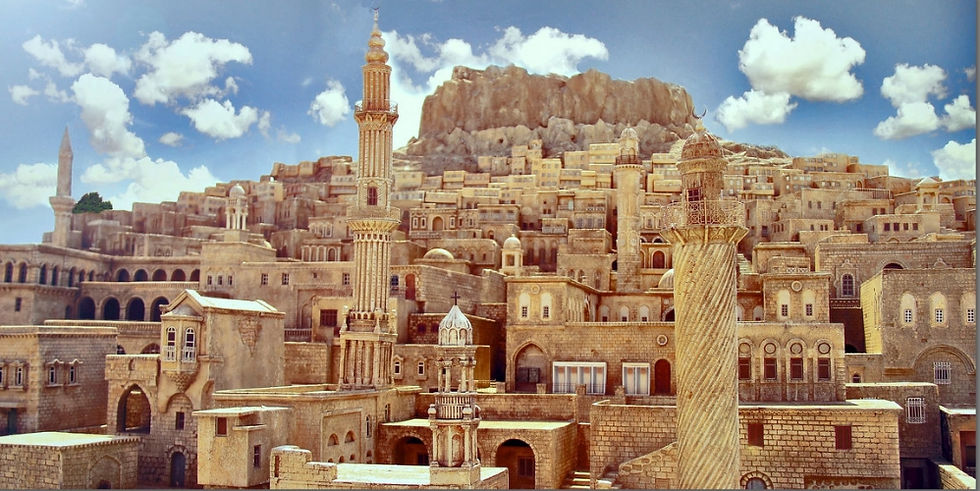
Bet Nahrin, often referred to as the "House of Rivers," symbolizes a convergence of cultures, traditions, and healing practices. This concept is deeply embedded in the history of the Mesopotamian region, where rivers served as lifelines for various civilizations. The healing strategies derived from Bet Nahrin focus on holistic well-being, integrating physical, emotional, and spiritual health.
The Importance of Cultural Sensitivity in Healing
Cultural sensitivity is paramount in any healing practice. It acknowledges the diverse backgrounds of individuals and respects their unique experiences. Healing strategies that are culturally sensitive can lead to more effective outcomes. Here are some key points to consider:
Respect for Traditions: Understanding and honoring the healing traditions of different cultures can enhance the therapeutic process.
Personalized Approaches: Tailoring healing strategies to fit individual backgrounds fosters a sense of belonging and trust.
Community Involvement: Engaging with community leaders and healers can provide valuable insights into culturally relevant practices.
Healing Strategies Inspired by Bet Nahrin
1. Integrative Therapies
Integrative therapies combine conventional medicine with alternative practices. This approach is particularly effective in addressing the diverse needs of individuals from various backgrounds. Some examples include:
Acupuncture: This ancient Chinese practice can help alleviate pain and promote overall wellness.
Herbal Medicine: Utilizing local herbs and plants can provide natural remedies that resonate with cultural traditions.
Mindfulness and Meditation: These practices can be adapted to reflect cultural beliefs, enhancing their effectiveness.
2. Community Healing Circles
Community healing circles are a powerful way to foster connection and support among individuals. These circles can be structured around specific cultural practices, allowing participants to share their experiences and healing journeys. Benefits include:
Shared Experiences: Participants can learn from each other, gaining insights into different healing methods.
Emotional Support: A sense of community can alleviate feelings of isolation and promote emotional healing.
Cultural Exchange: Healing circles can serve as a platform for cultural exchange, enriching the healing experience for all involved.
3. Storytelling as a Healing Tool
Storytelling is a universal practice that transcends cultural boundaries. It can be a powerful healing tool, allowing individuals to express their emotions and experiences. Here’s how storytelling can be integrated into healing strategies:
Personal Narratives: Encouraging individuals to share their stories can validate their experiences and promote healing.
Cultural Myths and Legends: Incorporating traditional stories can provide context and meaning to personal struggles, fostering resilience.
Creative Expression: Using art, music, or writing as a medium for storytelling can enhance the healing process.

The Role of Nature in Healing
Nature plays a significant role in the healing strategies of Bet Nahrin. The connection to the natural world can enhance physical and emotional well-being. Here are some ways to incorporate nature into healing practices:
1. Nature Walks
Encouraging individuals to engage in nature walks can promote physical activity and mental clarity. Walking in natural settings has been shown to reduce stress and improve mood.
2. Gardening Therapy
Gardening can serve as a therapeutic activity, allowing individuals to connect with the earth. This practice can be particularly beneficial for those from agricultural backgrounds, as it resonates with their cultural heritage.
3. Eco-Therapy
Eco-therapy involves therapeutic practices that take place in natural environments. This approach can help individuals reconnect with nature, fostering a sense of peace and well-being.
Incorporating Traditional Healing Practices
Traditional healing practices can offer valuable insights into the healing process. By integrating these practices into modern healing strategies, practitioners can create a more inclusive environment. Some examples include:
1. Indigenous Healing Methods
Indigenous healing methods often emphasize the connection between mind, body, and spirit. These practices can include rituals, ceremonies, and the use of natural remedies.
2. Folk Medicine
Folk medicine encompasses a wide range of healing practices passed down through generations. Incorporating folk remedies can provide culturally relevant options for individuals seeking healing.
3. Spiritual Healing
Spiritual healing practices, such as prayer or meditation, can be tailored to fit individual beliefs. This approach can provide comfort and support during difficult times.
Challenges in Implementing Diverse Healing Strategies
While the benefits of diverse healing strategies are clear, there are challenges to consider. Some of these include:
Cultural Misunderstandings: Misinterpretations of cultural practices can lead to ineffective healing strategies.
Access to Resources: Individuals from marginalized backgrounds may have limited access to diverse healing options.
Resistance to Change: Some practitioners may be hesitant to adopt new methods, preferring traditional approaches.
Overcoming Challenges
To overcome these challenges, it is essential to foster open communication and collaboration among practitioners and communities. Here are some strategies:
Education and Training: Providing training on cultural sensitivity and diverse healing practices can enhance practitioners' understanding.
Community Partnerships: Collaborating with community organizations can help bridge gaps in access to resources.
Feedback Mechanisms: Establishing feedback systems can ensure that healing strategies remain relevant and effective.
The Future of Healing Strategies in a Diverse World
As our world becomes increasingly interconnected, the need for inclusive healing strategies will continue to grow. Bet Nahrin offers a framework for integrating diverse cultural practices into modern healing approaches. By embracing this diversity, we can create a more compassionate and effective healing landscape.
Key Takeaways
Cultural Sensitivity: Understanding and respecting diverse backgrounds is crucial for effective healing.
Integrative Approaches: Combining traditional and modern practices can enhance the healing experience.
Community Engagement: Involving communities in the healing process fosters connection and support.
In a world rich with cultural diversity, the healing strategies inspired by Bet Nahrin remind us of the importance of inclusivity. By embracing these practices, we can support individuals on their healing journeys, fostering a sense of belonging and well-being.
As we move forward, let us commit to integrating diverse healing strategies into our practices, ensuring that everyone has access to the support they need. Together, we can create a more inclusive and healing world.


Comments